

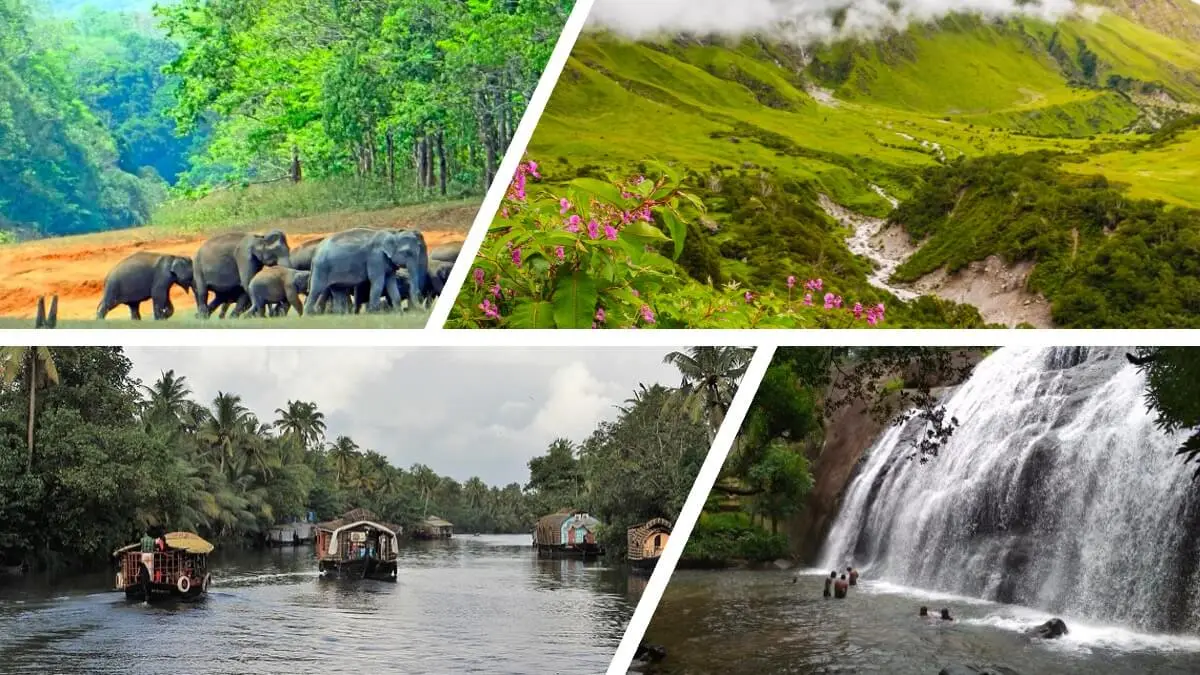
In an age where the beauty of our planet is increasingly fragile, the way we travel matters more than ever. Eco-tourism isn’t just a buzzword; it’s a mindful approach to exploring the world, aiming to minimize impact, benefit local communities, and foster a deeper connection with nature and culture. India, a land of unparalleled biodiversity and rich cultural heritage, offers incredible opportunities for truly “Green Getaways”! 🌿🌍
From the lush Western Ghats to the mystical Himalayas, and the vibrant coasts to the serene Northeast, India is brimming with destinations that are perfect for the conscious traveler. If you’re eager to leave a positive footprint while embarking on an unforgettable adventure, join us as we uncover “Eco-Tourism Experiences in Incredible India” for responsible tourists! 👇💚
What is Eco-Tourism, Anyway? 🤔
At its core, eco-tourism is about:
- Minimizing Impact: Reducing your environmental footprint (waste, energy, water). 👣
- Building Environmental & Cultural Awareness: Learning about and respecting local ecosystems and traditions. 📖
- Providing Direct Financial Benefits for Conservation: Supporting local efforts to protect nature. 💰
- Providing Financial Benefits & Empowerment for Local People: Ensuring tourism revenue helps local communities directly. 🧑🤝🧑
- Designing Low-Impact Facilities: Using sustainable materials and practices in accommodation. 🏡
- Supporting Human Rights: Promoting fair practices and avoiding exploitation. ⚖️
1. Periyar National Park & Wildlife Sanctuary, Kerala: Pioneering Eco-Tourism 🐘🌳
- Why it’s an eco-gem: Periyar is a shining example of community-based eco-tourism in India. The Forest Department actively involves local communities in conservation and tourism initiatives, ensuring benefits directly reach them. It’s renowned for its elephant and tiger populations.
- What to experience:
- Periyar Tiger Trail: Trekking with former poachers now turned protectors, learning about the forest and conservation. A truly impactful experience. 🚶♂️🐅
- Bamboo Rafting: A unique eco-friendly way to explore the lake and spot wildlife from the water. 🛶
- Border Hiking & Jungle Patrol: Guided treks that contribute directly to anti-poaching efforts. 🚶♀️
- Community Guesthouses: Stay in simple, locally-run accommodations. 🏡
- How it benefits: Provides alternative livelihoods for local people, fostering a sense of ownership in conservation and reducing reliance on forest resources. 💪
- Feeling: Immersive, inspiring, and deeply connected to wildlife and local efforts. 💚
2. Sunderbans National Park, West Bengal: Mangrove Majesty & Tiger Tales 🐅🌊
- Why it’s an eco-gem: A UNESCO World Heritage Site, the Sunderbans is the world’s largest contiguous mangrove forest and home to the majestic Royal Bengal Tiger. Eco-tourism here focuses on low-impact boat safaris, respecting the fragile ecosystem and supporting isolated communities.
- What to experience:
- Boat Safaris: Explore the dense mangrove creeks on guided boat trips, spotting tigers (rare but possible!), crocodiles, diverse birdlife, and the unique fishing cats. 🚤🐊🐦
- Local Village Tours: Visit small island villages, learn about the unique lifestyle adapted to the challenging environment, and understand local conservation challenges. 🏘️
- Birdwatching Towers: Climb watchtowers for panoramic views of the forest and its inhabitants. 🔭
- Responsible Lodging: Stay in eco-friendly resorts that minimize waste and energy consumption. ♻️
- How it benefits: Supports tiger conservation, provides sustainable livelihoods for local communities (often dependent on fishing and forest resources), and raises awareness about mangrove ecosystems. 🌿
- Feeling: Adventurous, humbling, and a powerful encounter with raw nature. You’ll feel the delicate balance of life here. 🌳
3. Mawlynnong, Meghalaya: Asia’s Cleanest Village & Community Power 🏡🌸
- Why it’s an eco-gem: Mawlynnong earned the title of “Asia’s Cleanest Village” due to the incredible efforts of its local Khasi community. Their self-sustained model of cleanliness and ecological responsibility is an inspiring example of eco-tourism driven by local pride.
- What to experience:
- Village Walk: Explore the pristine village, observe the bamboo dustbins, and learn about their waste management system. 🚶♀️🗑️
- Living Root Bridges: Marvel at the ingenious bridges grown from the roots of rubber trees, a testament to sustainable engineering. 🌱🌉
- Sky View Point: Climb a bamboo skywalk for panoramic views extending to the Bangladeshi plains. 🌳👀
- Community Interaction: Engage with locals and understand their sustainable practices and matriarchal society. 🧑🤝🧑
- How it benefits: Revenue from tourism directly supports the village’s cleanliness initiatives and provides sustainable income for residents. It’s a model for community empowerment. 💪
- Feeling: Refreshing, inspiring, and a testament to collective responsibility. You’ll feel a sense of hope for sustainable living. 💖
4. Thenmala Eco-Tourism Project, Kerala: India’s First Planned Eco-Tourism Destination 🏞️🚶♀️
- Why it’s an eco-gem: Located in the Kollam district, Thenmala holds the distinction of being India’s first planned eco-tourism project. It’s designed to offer various activities with minimal environmental impact, combining nature, adventure, and responsible practices.
- What to experience:
- Adventure Zone: Engage in activities like tree-top walkways, suspension bridges, and rock climbing, designed to blend with the natural environment. 🧗♂️
- Leisure Zone: Enjoy boating, musical dancing fountains, and a butterfly park. 🦋
- Culture Zone: Learn about local traditions and crafts. 🎨
- Trekking & Mountain Biking: Explore the surrounding forests on designated trails. 🚴♀️🌳
- Dam & Shenduruney Wildlife Sanctuary: Visit the dam and explore the diverse flora and fauna of the sanctuary. 🦌
- How it benefits: Manages tourism flow to protect the ecosystem, educates visitors about local biodiversity, and supports the local economy through responsible development. ♻️
- Feeling: Balanced, educational, and family-friendly. A holistic approach to responsible recreation. 👨👩👧👦
5. Spiti Valley, Himachal Pradesh: Cold Desert, High-Altitude Homestays 🏔️🏡
- Why it’s an eco-gem: In the remote, high-altitude cold desert of Spiti, eco-tourism focuses on preserving its unique Buddhist culture and fragile environment. Responsible tourism means sustainable trekking, staying in community-run homestays, and respecting local traditions.
- What to experience:
- Homestays: Experience authentic Spitian life by staying with local families, sharing their meals, and learning about their sustainable practices. This directly supports them. 🏘️
- Responsible Trekking: Explore ancient monasteries (Key, Dhankar) and remote villages on foot, ensuring you stick to trails and leave no trace. 🚶♂️🚮
- Clean-up Drives: Participate in or support local initiatives for waste management in high-altitude areas. ♻️
- Cultural Immersion: Learn about Tibetan Buddhism, local crafts, and the resilient lifestyle of the Spitian people. 🙏
- How it benefits: Provides sustainable income for villagers, reduces dependence on traditional farming, and helps preserve the unique cultural identity and fragile ecosystem of the cold desert. 💪
- Feeling: Rugged, spiritual, and deeply connected to local life and nature’s resilience. 🌬️
Your Responsible Tourist Checklist: Travel Green! ✅🌱
To truly make your getaway an “eco-tourism experience,” remember these tips:
- Reduce, Reuse, Recycle: Carry a reusable water bottle and shopping bags. Avoid single-use plastics. 💧♻️
- Support Local: Choose locally-owned accommodations, eat at local restaurants, and buy local handicrafts. This keeps money within the community. 🧑🤝🧑💰
- Conserve Resources: Be mindful of your water and electricity consumption in hotels. Turn off lights and AC when leaving. 💡🚿
- Respect Wildlife: Maintain a safe distance, do not feed animals, and choose ethical wildlife viewing tours. 🐒🦒
- Leave No Trace: Carry out everything you carry in. Don’t litter! If possible, participate in local clean-up drives. 🚮
- Ask Before You Photograph: Always seek permission before taking photos of people, especially in tribal areas. 📸
- Learn & Engage: Take time to understand the local culture, traditions, and environmental challenges. Engage respectfully with locals. 📖🤝
- Choose Eco-Certified Operators: Look for tour operators and accommodations that are certified or committed to sustainable practices. ✅
Eco-tourism in India is an opportunity to not just see the country, but to truly connect with its diverse landscapes and vibrant communities in a meaningful way. By choosing green getaways, you contribute to preserving India’s natural wonders and supporting its people for generations to come. So, pack your bags responsibly, and embark on a journey that truly makes a difference! 🇮🇳💖
Which of these eco-tourism experiences are you excited to explore first? Share your thoughts on sustainable travel in India in the comments below! 👇 Let’s travel green!


Comment (0)